


An employment lawyer often serves as a key guide for workers trying to understand shifting labor rules shaped by federal protections and rising complaint rates. A lawyer also helps people navigate growing workplace concerns such as retaliation, misclassification, and harassment in cities like Phoenix, Boston, Detroit, and Atlanta. Born on March 12, 1974, in Portland, attorney Sarah Danton, now 50, gained recognition for interpreting laws such as the FLSA, Title VII, and the ADA.
Her career reflects the need for clarity, as the EEOC recorded more than 81,000 cases in 2024. These rising conflicts show why many rely on an employment lawyer for protection, support, and fairness, and why preserving workplace rights is at the heart of every case handled by a lawyer today.
| Basics | Summary |
| Workplace Duties | Core labor laws. |
| Legal Support | Rule guidance. |
| Retaliation Help | Reporting backlash. |
| Lawyer’s Role | Evidence review. |
| Harassment Rates | High incidents. |
| Evidence Review | Pattern checks. |
| Harassment Claims | Statute analysis. |
| Filing Guidance | Complaint steps. |
| Contract Issues | Complex terms. |
| Contract Analysis | Unlawful clauses. |
| Contract Protection | Severance review. |
| Legal Comparison | Statute alignment. |
| Termination Disputes | Policy breaches. |
| Investigation Steps | Record audits. |
| Misclassification | Wage violations. |
| Wage Recovery | Pay restitution. |
Understanding Modern Workplace Legal Duties
Federal and state laws shape how employees are treated across workplaces in cities like Phoenix, Boston, and Detroit. Regulations such as the FLSA, Title VII, and the ADA guide wages, discrimination protections, and accommodations. In 2024, over 81,000 EEOC charges were filed nationwide. Attorneys like Sarah Danton help individuals interpret these rules, document incidents, and understand which actions might create legal risk.
When an Employment Lawyer Becomes Necessary?

Workers often contact an employment lawyer after facing retaliation for reporting misconduct or safety hazards. Attorney Marcus Hale, practicing in Atlanta, notes that retaliation made up 56 percent of EEOC claims in 2023. A lawyer reviews timelines, evaluates emails, and compares evidence to legal standards. Their analysis helps clients determine whether negotiation, mediation, or a formal charge offers the strongest path forward.
Harassment and Hostile Conduct
Harassment reports increased nationwide, with surveys showing nearly 28 percent of employees experiencing unwelcome conduct. Lawyer Priya Ren studies texts, messages, or witness accounts to identify patterns. She advises clients from companies such as Target, Delta, and Kaiser Permanente to maintain consistent documentation. These details support legal arguments and highlight policy failures.
Harassment Solutions

A lawyer like Jonathan Reed uses Title VII, state statutes, and corporate policy guidelines to evaluate claims. In states such as New York and Illinois, mandatory training requirements heighten employer obligations. An employment lawyer compares documented behavior to company procedures, identifies neglected safeguards, and guides victims through internal complaints or external filings when organizations fail to respond adequately.
Reviewing Contracts and Restrictive Agreements
Professionals in technology, finance, and healthcare often sign complex agreements that include non-compete clauses, confidentiality restrictions, or bonus-recovery provisions. States, including California, Colorado, and Minnesota, tightened restrictions on enforceability in 2024. Attorney Milo Konrad helps individuals interpret vague conditions, identify unlawful restrictions, and negotiate revisions
Contract Protection

Executives, analysts, and engineers frequently ask an employment lawyer to evaluate severance packages, commission plans, or non-solicitation clauses. Attorney Elise Navarro examines compensation metrics at companies like Netflix, IBM, and American Airlines. A lawyer ensures performance expectations are clear, identifies risky obligations, and compares contracts to state statutes.
Wrongful Termination and Employer Missteps
- Wrongful termination arises when employers ignore written rules, sidestep contract terms, or retaliate against whistleblowers.
- Montana uses a “good cause” standard, unlike most at-will states.
- Lawyer Devan Brooks often reviews digital records, disciplinary histories, and internal notes to uncover inconsistencies.
- His investigations determine whether dismissals violate the law, provide reinstatement options, or justify seeking compensation.
Proving Termination
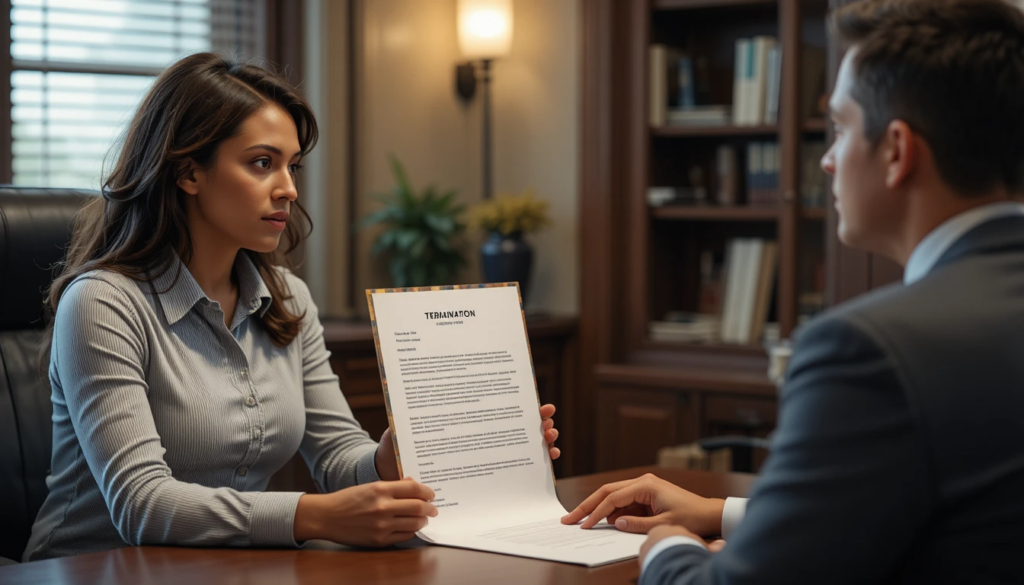
A lawyer such as Hannah Royce investigates motives behind sudden dismissals by comparing witness statements, supervisor reports, and performance ratings. She assists workers from the logistics, pharmaceuticals, and hospitality industries. An employment lawyer aligns evidence with statutes such as the Whistleblower Protection Act and state retaliation codes, helping clients uncover pretextual reasons.
Addressing Misclassification
- The Department of Labor recently recovered over $250 million in back wages, reflecting widespread wage theft.
- Misclassification frequently affects delivery drivers, gig workers, and restaurant staff.
- Attorney Leon Tran examines job duties, time records, and payroll systems to detect violations.
- His analysis ensures workers understand when pay practices conflict with FLSA rules, state wage laws.
Wage Recovery
Workers who suspect underpayment often consult a lawyer like Marisol Kent. She applies federal tests, IRS criteria, and state overtime rules to determine proper classification. An employment lawyer calculates losses involving missed overtime, withheld tips, or late payments. Her representation assists clients from the construction, retail, and transportation sectors in recovering unpaid earnings, penalties, and interest, and in obtaining broader relief through negotiation or formal enforcement actions.
Employer Compliance and Policy Development

Companies across sectors update policies to reflect privacy laws, AI-monitoring rules, and remote-work expectations. States such as Virginia and Utah regulate data collection affecting workplace monitoring. Attorney Felix Rowan reviews corporate handbooks, disciplinary procedures, and annual training logs. His assessments strengthen compliance, reduce litigation exposure, and ensure policies align with rapidly evolving labor standards.
Conclusion
Workplace challenges, including harassment, wage disputes, and wrongful termination, highlight the critical role of an employment lawyer. By interpreting laws, reviewing contracts, and guiding complaints, they protect employee rights and ensure fair treatment. Their expertise in handling misclassification, retaliation, and policy compliance provides workers with clarity, security, and justice, making the support of a lawyer essential in modern workplaces.
Want to know about Marriage Visa Lawyer: Expert Guidance and Comprehensive Support for a Smooth and Successful Marriage Visa Application Check out our Business Law category.
FAQs
They assist with harassment, wage disputes, contracts, and compliance, ensuring employee rights and workplace laws are appropriately followed.
Legal guidance is needed to address retaliation, discrimination, unpaid wages, or harassment, to protect rights and pursue appropriate remedies.
Lawyers review evidence, assess patterns, and advise on internal reporting or legal claims when workplace behavior violates protections.
They examine non-compete, confidentiality, and severance terms to ensure fairness, compliance, and protection against restrictive obligations.
Lawyers investigate dismissals, check records, compare actions to laws, and pursue reinstatement or compensation for unlawful terminations.